
Vodka & Neutral Spirits Library / Guide 11
FlavouredVodka &Vodka BasedStyles
Flavour, sweetness & category boundaries.
Flavour can be added to vodka in many ways. The finished category depends on strength, flavouring material, sweetness and the legal system of the market. The result may be flavoured vodka, a liqueur, a botanical spirit, a specialty product or a vodka based ready to drink serve.
Scope Guide 10 established the legal category. This guide follows deliberate flavour from production to final classification and shows where the name “flavoured vodka” remains accurate.
Start with the category boundary → Continue where you left off →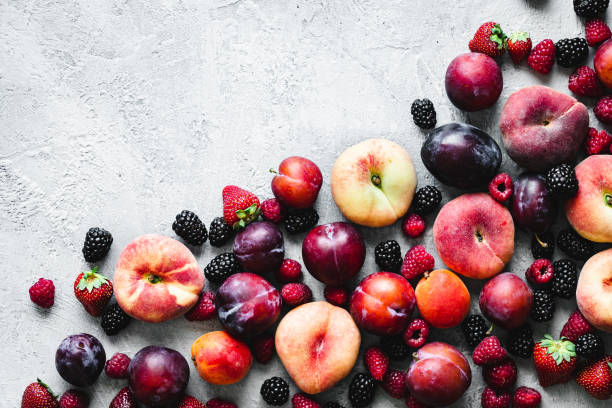
Guide sequence
Define the boundary first, then follow flavour into the liquid, compare EU and U.S. law, and finish with the wider vodka based family.
Start with the simplest idea: flavour becomes the identity
Vodka may carry subtle character from raw material and production. Flavoured vodka deliberately adds a flavour that clearly leads the finished spirit.
The liquid begins as vodka and follows the vodka rules of the market where it is sold.
Citrus, berry, vanilla, pepper, herbs or another flavour is deliberately built into the finished vodka and becomes its main aromatic direction.
Learn one word: predominant
Regulations often use the word predominant. In plain English, it means the flavour that clearly leads. A lemon flavoured vodka should read as lemon led because that flavour has been deliberately introduced into the finished spirit.
The European Union and United States both recognise flavoured vodka, with different strength and labelling rules. The category idea stays simple: vodka is the base and the added flavour leads.
Flavoured vodka combines a vodka base, a deliberately leading added flavour and the category rules of the market where the bottle is sold.
Several routes can build flavour
The easiest way to understand flavouring is to ask one question: how did the aroma get into the liquid?
Fruit, peel, herbs or spices sit in spirit for a period of time. Alcohol and water pull aroma and flavour compounds from the ingredient, then the solids are removed.
A producer can add a prepared natural flavour or extract at a measured dose. This gives strong control over intensity and consistency from batch to batch.
Aromatic ingredients can be distilled with spirit. The vapour carries selected volatile aroma compounds into a botanical distillate, which can then be combined with vodka.
Citrus peel carries aromatic oils. Soft fruit contains water, acids, sugars and aroma compounds. Herbs and spices bring their own volatile compounds. Contact time, alcohol strength, temperature and ingredient size all influence extraction.
A producer may use extracts, fresh ingredients and distilled flavour components in the same product. Producer documentation is the best guide to the actual method.
Words such as infused, distilled with botanicals and made with natural flavour give clues about ingredients or production. Use the full product description to understand the finished bottle.
European Union: remember four things
For a bartender, the EU category becomes much easier when it is reduced to four checks: leading flavour, strength, sweetness and finishing.
EU law uses the word predominant. It means the added flavour becomes the main flavour direction of the finished vodka.
ABV means alcohol by volume. EU flavoured vodka must be bottled at 37.5% ABV or above.
If sweetened, the legal ceiling is below 100 grams per litre, expressed as invert sugar. Invert sugar is simply the standard reference regulators use to compare sweetening levels.
EU flavoured vodka may be sweetened, blended, flavoured, matured or coloured within the category rules.
The predominant flavour can appear with the word vodka. A name such as lemon vodka communicates the flavour direction directly.
A GI is a protected name linked to a place and defined production rules. Polska Wódka or Polish Vodka is a protected GI whose specification covers plain and flavoured forms.
EU plain vodka is uncoloured and allows up to 8 grams of sweetening products per litre. That equals 6 grams in a 750 millilitre bottle. Flavoured vodka can be coloured and allows sweetening below 100 grams per litre.
United States: understand the bottle first
The U.S. route is easiest to learn in three steps: begin with vodka, add the flavour, then check that the finished bottle reaches the required strength.
The starting spirit qualifies as vodka under the U.S. vodka standard. Plain vodka can receive only very small permitted adjustments before flavouring is considered.
Natural flavouring materials can then create a citrus, berry, vanilla, botanical, spice or other flavour direction in the finished spirit.
The finished flavored spirit must be at least 30% ABV. In U.S. proof language, 30% ABV equals 60 proof.
The U.S. vodka standard allows up to 2 grams of sugar and 1 gram of citric acid per litre. In a 750 millilitre bottle, that equals 1.5 grams of sugar and 0.75 gram of citric acid. The sugar amount is roughly one third of a teaspoon in the whole bottle.
Start with the base spirit. Then read the flavour statement. Then confirm the strength. Finally, read the legal or class type designation used on the label.
CFR means Code of Federal Regulations, and § means section. 27 CFR § 5.142 is Title 27, Section 5.142, which contains the U.S. vodka standard. Section 5.151 covers flavored spirits. TTB is the U.S. agency that administers federal alcohol rules and formula guidance.
A flavoured vodka label combines the base spirit with the leading flavour. Vodka tells you the base. Lemon, peach or another flavour tells you the intended aromatic direction.
TTB guidance shows that the final label wording depends on the complete formula, including the type of flavouring material used and the composition of the finished bottle.
Remember the U.S. path as four checks: vodka base, added flavour, minimum 30% ABV, then legal label wording.
Read flavour, sweetness, colour and strength separately
A flavoured vodka can be aromatic, dry, sweet, clear, coloured, high strength or lower strength within the rules of its market. Read each feature as its own piece of information.
Fruit, peel, herbs, spices or prepared natural flavours can establish the main aromatic direction.
Sweetness is a formulation choice inside the relevant legal limits. A strong fruit aroma can sit in a relatively dry liquid.
EU flavoured vodka may be coloured. Many commercial products also remain clear.
ABV tells you the alcohol concentration of the finished bottle. It also helps you check whether the product meets the category minimum in a given market.
Use one bottle to practise the separation
Absolut Citron is described by the producer as lemon flavoured vodka at 40% ABV and made with natural flavour. From that statement you can confirm the flavour direction and strength. Sugar level requires its own source or product information.
This is a useful habit behind the bar: read aroma, sweetness, colour and ABV as four separate observations rather than assuming one from another.
What leads the aroma? How sweet is it? What colour is it? What is the ABV? Those four answers give you a much clearer product picture.
Vodka can be the base of several finished styles
Once vodka is combined with flavour, sugar, water or other ingredients, read the finished product as a complete formula. The base spirit is only one part of the final identity.
The bottle meets the flavoured vodka rules of the market where it is sold.
EU liqueurs generally start at 100 grams of sweetening products per litre. U.S. cordials and liqueurs require at least 2.5% sugar by weight of the finished product.
Botanical describes the flavour direction or marketing family. The legal designation comes from the formula and the market rules.
Vodka can be combined with sparkling water, juice or other cocktail ingredients to create a ready to drink product.
Absolut Citron is a lemon flavoured vodka at 40% ABV. Cointreau is an orange liqueur at 40% ABV. Both appear in current Dubai retail channels. Their categories come from formulation and legal identity.
Finlandia Grapefruit is currently listed in Dubai at 37.5% ABV. That bottle makes the EU minimum strength easy to remember because it sits exactly on the category floor.
Read the range as category history
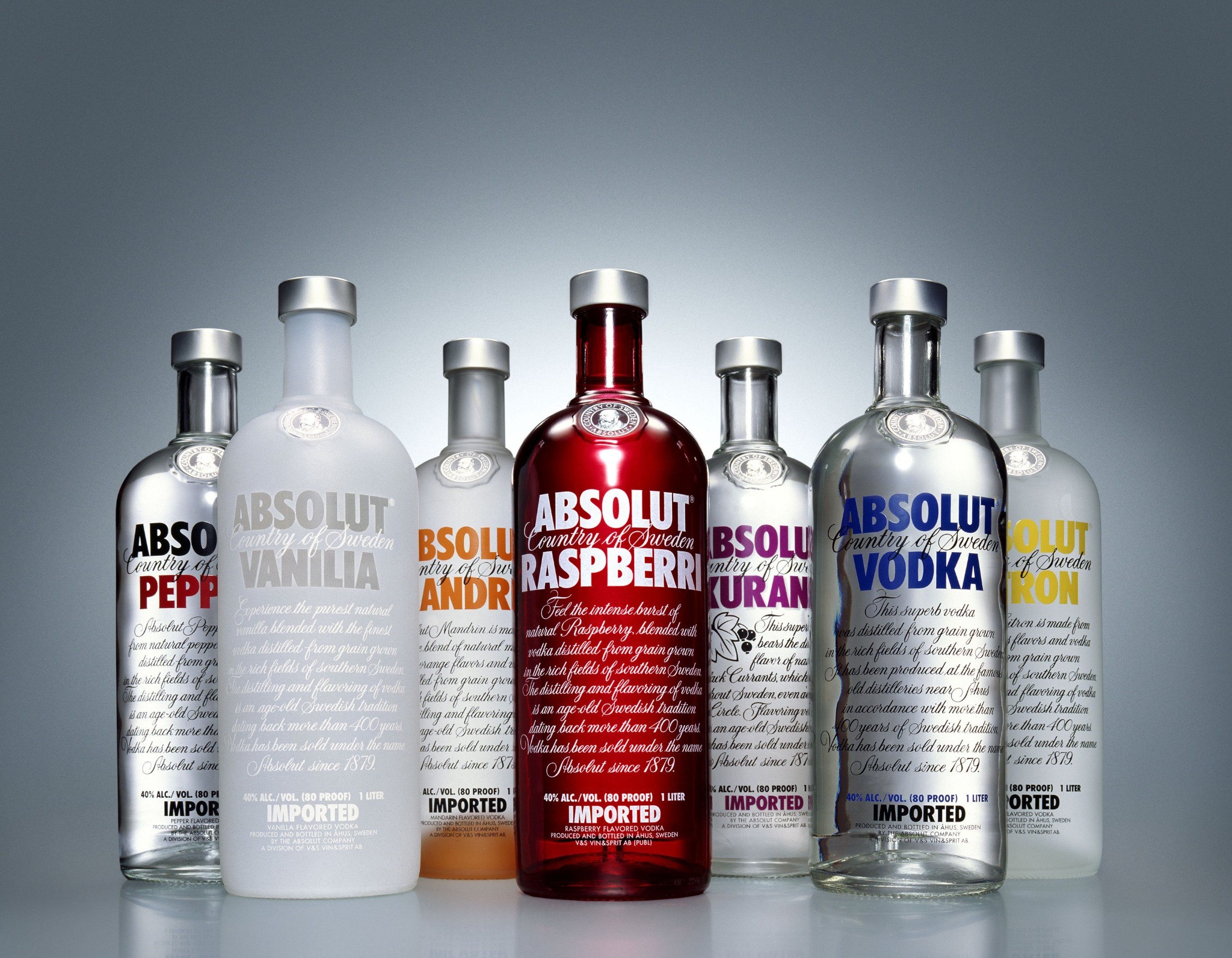
Absolut Peppar arrived in 1986, followed by Absolut Citron in 1988. Those releases helped move flavoured vodka into savoury, spiced, vanilla and berry directions that still shape backbars today.
Made with vodka tells you the alcoholic base. The complete formula and legal designation tell you the finished category.
Read real bottles in a fixed order
The easiest way to keep the category clear is to use the same reading sequence every time: legal identity, base, flavour, ABV and producer description.
Producer wording identifies lemon flavoured vodka made with natural flavour. The 40% ABV strength clears the EU and U.S. minimum strength thresholds.
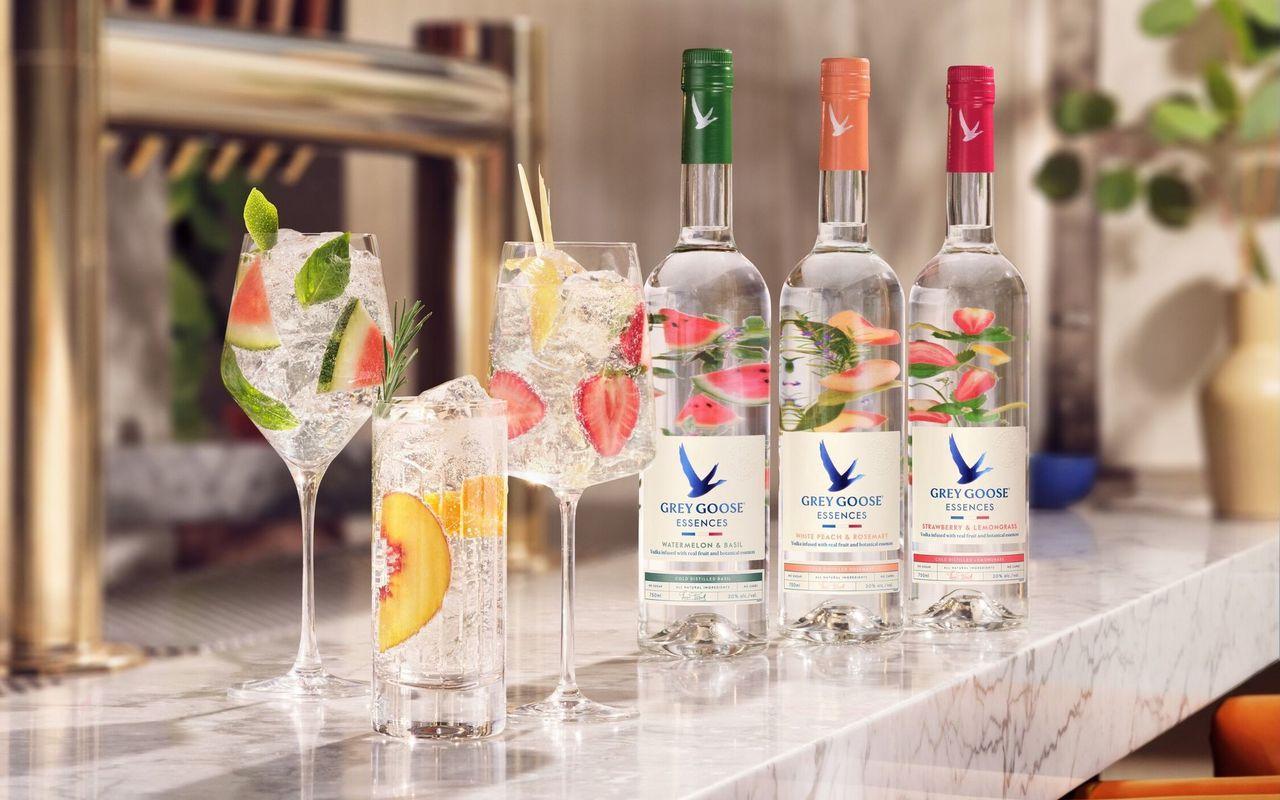
Producer wording describes vodka infused with real fruit and botanical essences. The 30% ABV strength makes the market specific legal designation important.
Cointreau is an orange liqueur at 40% ABV. It shows why ABV alone cannot identify a spirit category. Formula and legal identity complete the picture.
Five step bottle check
1. Read the legal or class type designation. 2. Identify the base spirit. 3. Read the flavour statement. 4. Confirm the ABV. 5. Use producer information to understand ingredients and production.
Repeat the same order with every bottle. A fixed sequence removes guesswork and makes unfamiliar products easier to place.
Start with what the bottle legally is. Then use flavour, ABV and producer information to understand how that identity is expressed in the glass.
Remember the category
Flavoured vodka has boundaries
- EU: category 31, minimum 37.5% ABV
- U.S.: flavored spirits, minimum 30% ABV
- Predominant flavour changes how the vodka is classified
- Sweetness and colour are separate formulation decisions
Remember the family
Vodka based describes an ingredient relationship
- Liqueurs use their own sweetness rules
- Botanical describes a style family whose legal designation depends on formulation and market
- RTDs are mixed drinks even when vodka is the base
- Read designation + ABV before the marketing language
REFSources & Further Reading
Primary legal, regulator and producer specific sources used to verify the category boundaries, flavouring rules and examples in this guide.
European Union
Regulation (EU) 2019/787 · consolidated textCategory 15 Vodka; category 31 Flavoured vodka; category 33 Liqueur; minimum strengths, sweetening and naming rules European Commission · Geographical indications registersCurrent EU access point for registered geographical indications, including spirit drinks Polska Wódka / Polish Vodka · official GI product specificationOfficial specification describing the protected name and its plain and flavoured formsUnited States
27 CFR § 5.142 · Neutral spirits or alcoholVodka standard and the point at which added flavour changes classification 27 CFR § 5.151 · Flavored spiritsNatural flavouring materials, designation and 30% ABV minimum TTB · Distilled Spirits Example FormulasPractical examples showing flavored vodka, imitation and specialty classification boundaries 27 CFR § 5.150 · Cordials and liqueursU.S. liqueur framework and minimum 2.5% sugar by weight of the finished product 27 CFR § 5.156 · Distilled spirits specialty productsProducts outside another standard of identity and statement of composition requirementsTechnical methods
Advances in Natural Product Extraction · reviewMaceration principles, solvent systems, contact time and plant matrix extraction variables Distilled Spirits · Chapter 4: GinBotanical flavour extraction and the effect of distillation method on essential oil transferNamed examples
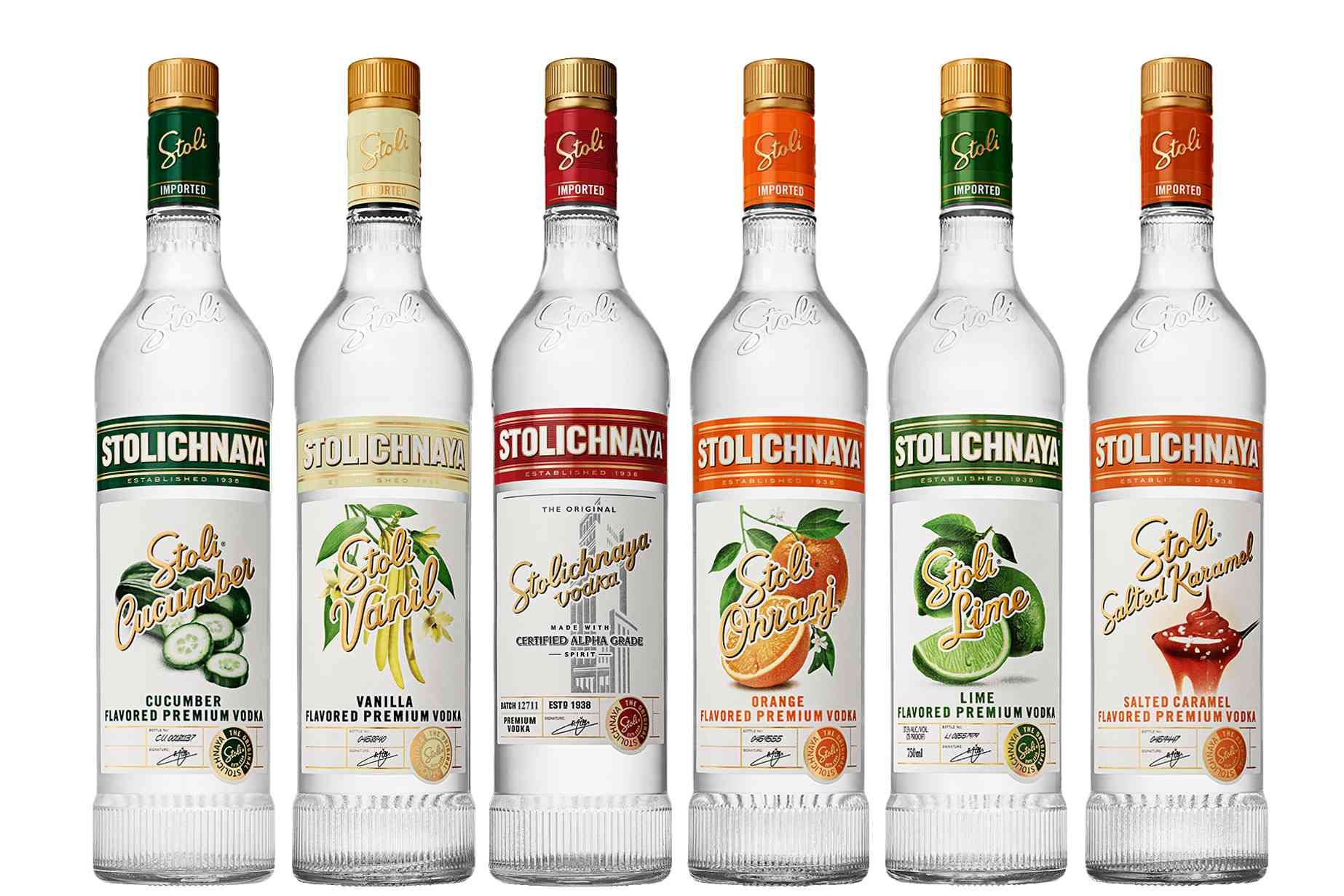
Absolut Citron · official global product pageLemon flavoured vodka, natural flavour and 40% ABV Stoli · official flavoured vodka lineupCurrent producer range including orange, raspberry, blueberry, vanilla, cucumber, citrus and salted caramel flavoured vodkas Grey Goose Essences · official product rangeVodka infused with real fruit and botanical essences; three expressions at 30% ABV Absolut Peppar · official product pageBrand history reference for Absolut’s first flavoured vodka release in 1986 Absolut flavour range · Gulf product pagesCurrent flavour family reference for Citron, Lime, Mandrin, Raspberri, Vanilia and related expressions Finlandia Grapefruit · official product pageGrapefruit expression; Finlandia states its flavoured vodkas are bottled at 37.5% ABV Cointreau L’Unique · official global product pageOrange liqueur at 40% ABV; neutral alcohol, orange peel essences, water and sugarNext on the roadmap
Guide 12 · Reading Vodka in the Glass
The final vodka guide moves from production and category into disciplined sensory reading: aroma, texture, alcohol, dilution and the limits of what can be inferred from the glass.