Vodka & Neutral Spirits Library / Guide 05
OtherAgriculturalBases
Sugar, Juice, Legumes & Other Routes.
Not every vodka begins with grain or potato. Grapes, cane, sugar beet, maple, peas and whey enter alcohol production through different carbohydrate and preparation routes before the neutral-spirit system takes over.
Scope This guide compares feedstock logic. Detailed fermentation control belongs in Guide 06; rectification in Guide 02; filtration, dilution and full legal treatment remain in their dedicated guides.
Start with the carbohydrate →Continue where you left off →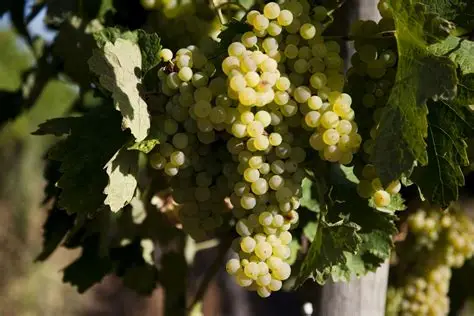
Guide sequence
Read the raw material by what yeast actually receives: ready sugar → juice or syrup preparation → special starch routes → specialized sugars → labelling → finished-vodka interpretation.
Read the carbohydrate before the ingredient
“Other agricultural bases” is not one production family. The useful first question is whether fermentation receives fermentable sugar, starch that still needs conversion, or a sugar that needs a different biological solution.
Grape juice, cane juice, molasses, beet sugar and maple sugars can provide fermentable carbohydrate without a cereal-style starch-conversion sequence.
An unusual crop can still be a starch feedstock. The starch must be released and hydrolysed before ordinary alcoholic fermentation.
Whey contains fermentable potential, but wild-type Saccharomyces cerevisiae cannot metabolize lactose. The organism or processing strategy has to change.
Classify the feedstock by the route into fermentation, not by how unusual the ingredient sounds.
Grapes begin with juice — and often wine
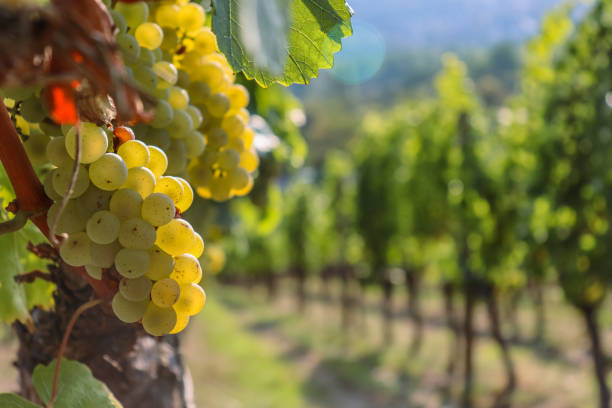
Grape sugars are already available to yeast. The upstream route therefore looks more like winemaking than cereal mashing before distillation turns the fermented base toward vodka.
Ferment first, then change the category
Crushed or pressed grapes supply glucose and fructose directly in juice. Fermentation converts those sugars into an alcoholic wine-like base; there is no requirement to gelatinise starch or build a cereal mash.
Cîroc is the clearest large-scale example. Its current official production description says selected French grapes are made into wine, that wine is distilled four times in column stills, and a fifth distillation is completed in a tailor-made copper pot still.
Grape → wine → distillation. The raw material changes the route into the still; it does not turn vodka into flavoured vodka.
Cane can feed more than one spirit route
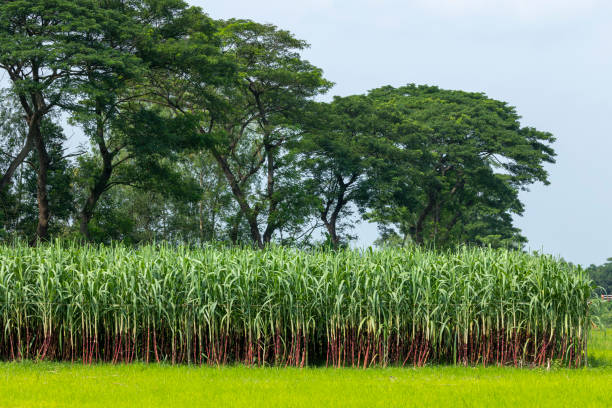
Fresh cane juice, cane syrup and molasses all supply fermentable sugar. What changes next is the preparation of the feed — and the category target the distiller chooses to pursue.
Three cane starting points
Fresh cane juice is released by crushing the cane. Cane syrup is a concentrated sugar stream. Molasses is the dense sugar-rich material remaining from sugar manufacture and is normally diluted and conditioned before fermentation.
None of these materials needs a grain-style starch-conversion sequence simply to make fermentable sugar available. The processing problem shifts from opening starch to preparing the sugar-rich fermentation feed.
St. Augustine Distillery provides one clear vodka example: it identifies Florida Cane Vodka as distilled from 100% Florida-grown sugar cane and says a cane neutral spirit is redistilled in its pot still.
EU rum rules require fermented cane juice, cane-sugar syrup or molasses to be distilled below 96% ABV so the distillate keeps the discernible organoleptic characteristics of rum.
EU vodka may use other agricultural raw materials. The alcohol is distilled so raw-material and fermentation characteristics are selectively reduced, with the alternative base declared on the label.
Vodka and rum can begin with the same cane-derived material, but they are produced toward different category specifications. Raw material alone does not make a spirit rum — or vodka.
Sugar beet and maple take extraction routes
A plant can store useful carbohydrate as sucrose without behaving like grain or potato. The processing problem becomes extraction, concentration and nutrient management rather than starch conversion.
BĒT Vodka says its Midwest sugar beets are processed into granulated beet sugar, dissolved in water with nutrients, fermented for up to two weeks and distilled no fewer than three times. That is one documented route — not a universal beet-vodka recipe.
Vermont Gold says maple sap is concentrated, fermented and distilled through a glass column still. The key distinction is that the fermentable sugar comes from sap, not from converted cereal or tuber starch.
A sugar-rich feedstock does not mean its original sugar carries through into the distillate. Sugars are non-volatile; what reaches the finished vodka depends on fermentation, distillation and any later permitted sweetening.
Peas prove “other” does not mean sugar-only
Nàdar is the useful exception to the shortcut that every non-grain, non-potato vodka must begin with ready fermentable sugar.
Peas are an agricultural alternative — and still a starch route
Arbikie describes Nàdar Vodka as made from peas and explains the underlying process in direct terms: take the starch component, break it down and ferment it into alcohol. In that sense the biochemical problem resembles grain and potato more than grape or cane.
The pea choice is still distinctive. Research involving Abertay University, the James Hutton Institute and Arbikie evaluated pea starch for neutral-spirit production together with the use of the protein-rich distilling co-product as animal feed.
“Other agricultural bases” is broader than “non-starch bases.” Peas show why the guide must classify feedstocks by carbohydrate and processing route rather than by marketing category.
Field-to-bottle pea vodka from Arbikie. The crop supplies starch for alcohol production while the protein-rich co-product can be used as animal feed.
Whey changes the fermentation problem
Whey contains lactose. That means the feedstock carries sugar, but it does not automatically fit the standard distillers’ yeast route used for glucose-rich grain, fruit or cane fermentations.
Available sugar still needs the right organism
Wild-type Saccharomyces cerevisiae, the workhorse of many beverage fermentations, does not naturally metabolize lactose. Whey-to-ethanol research therefore uses lactose-fermenting organisms such as Kluyveromyces marxianus or other processing strategies that make the sugar accessible.
Black Cow provides a current commercial example of the raw-material route. It describes cheesemaking separating milk into curds and whey, then fermenting the whey into a low-strength alcoholic liquid with a special yeast that converts the milk sugars into alcohol before distillation and blending.
Cheesemaking separates curds and whey.
Whey contains a different fermentable carbohydrate problem.
The organism or sugar treatment must suit lactose.
Neutral-spirit production then becomes the next technical stage.
Let the label tell you the raw material
Alternative bases make raw-material wording more important, because the law does not treat every market in exactly the same way.
The EU makes the distinction visible
Under the current EU vodka category, vodka may be made from potatoes, cereals or other agricultural raw materials. When it is not produced exclusively from potatoes or cereals or both, the label must prominently state “produced from …” followed by the raw material, in the same visual field as the legal name.
That makes bottles such as grape-, cane- or other agricultural-base vodkas especially useful teaching tools: the base may be legally relevant information, not just brand storytelling.
Do not transfer the EU wording rule automatically to every market. The United States defines vodka through the neutral-spirit standard rather than an equivalent EU-style potato/cereal split. Full EU, UK and US comparison belongs in Guide 09.
“Made from grapes,” “made from peas” or “made from milk” identifies source material. It does not tell you, by itself, how much of that source remains perceptible after fermentation, distillation, rectification, filtration and dilution.
Compare routes without inventing flavour laws
The best use of named vodkas is to prove that different feedstocks create different production routes — not to turn the ingredient into a fixed tasting note.
Other bases in practice
Read each example for what it demonstrates operationally. Keep sensory description bottle-specific.
Fine French grapes are made into wine, distilled four times in columns and finished with a fifth distillation in a tailor-made copper pot still.
Pea starch is converted and fermented into a base spirit, showing that an “other agricultural base” can still be a starch route.
Beet sugar is dissolved with nutrients, fermented and distilled, illustrating an extracted-sucrose route rather than starch conversion.
Concentrated maple sap is fermented and distilled, demonstrating a directly fermentable tree-sugar route.
Whey from cheesemaking becomes the vodka source material, bringing lactose and a different fermentation problem into the category.
A cane-neutral-spirit example that is redistilled in a pot still, useful for separating crop choice from distillation architecture.
Keep the distinction: grape does not automatically mean fruity, cane does not automatically mean sweet, peas do not mean vegetal, and whey does not mean milky. The base is one part of the production chain.
State the documented base first. Describe the actual vodka second. Connect the two only when the process and the glass give you reasonable evidence.
Read the base
Follow carbohydrate
- Ready sugar versus starch
- Extraction versus conversion
- Lactose as a different fermentation problem
- Peas kept inside the starch conversation
- Raw material separated from still architecture
Read the bottle
Keep claims precise
- Use documented source material
- Keep brand process claims bottle-specific
- Do not infer residual sugar from a sweet feedstock
- Check jurisdiction before quoting a label rule
- Taste the finished vodka rather than the ingredient stereotype
REFSources & Further Reading
Primary legal, academic and named-production sources used for this focused raw-material guide.
Law & category
EU Regulation 2019/787 · Rum & VodkaCane-material rum rules; other agricultural vodka bases; “produced from …” labellingU.S. eCFR · 27 CFR §5.142Current neutral-spirits and vodka standardAlternative feedstocks
Whey as a feedstock for ethanolReview · lactose fermentation and yeast strategiesLegume biorefining for alcoholResearch · pea starch, neutral spirit and protein-rich co-productsAbertay University · Nàdar VodkaUniversity account of the pea-based vodka research collaborationNamed production examples
Cîroc · Our RootsOfficial grape-to-wine and five-distillation production descriptionArbikie · Nàdar CollectionOfficial pea-starch and field-to-bottle production contextBĒT Vodka · AboutOfficial sugar-beet processing and fermentation sequenceVermont Gold VodkaOfficial maple-sap fermentation and distillation routeBlack Cow · Whey routeCurds-and-whey separation, special-yeast fermentation and distillation descriptionSt. Augustine · Florida Cane VodkaOfficial sugarcane neutral-spirit and pot-redistillation exampleContinue the sequence
Guide 06 · Fermentation for Neutral Spirit
Focus on yeast, temperature, contamination control and the fermentation targets used for neutral spirit.