Whisk(e)y Library / Scotch Category Guide
Scotch
Whisky
Law, Production & Sensory Analysis.
Scotch whisky follows a protected legal framework for where and how it is made. This guide starts with the Scotch-wide rules, then names the malt, grain and blended routes wherever production diverges, before connecting those choices to the label and the glass.
Scope Every chapter starts with the Scotch-wide rule. Route-specific examples are labelled as Malt, Grain or Blended so one production image never stands in for the whole category.
Start with the law →Continue where you left off →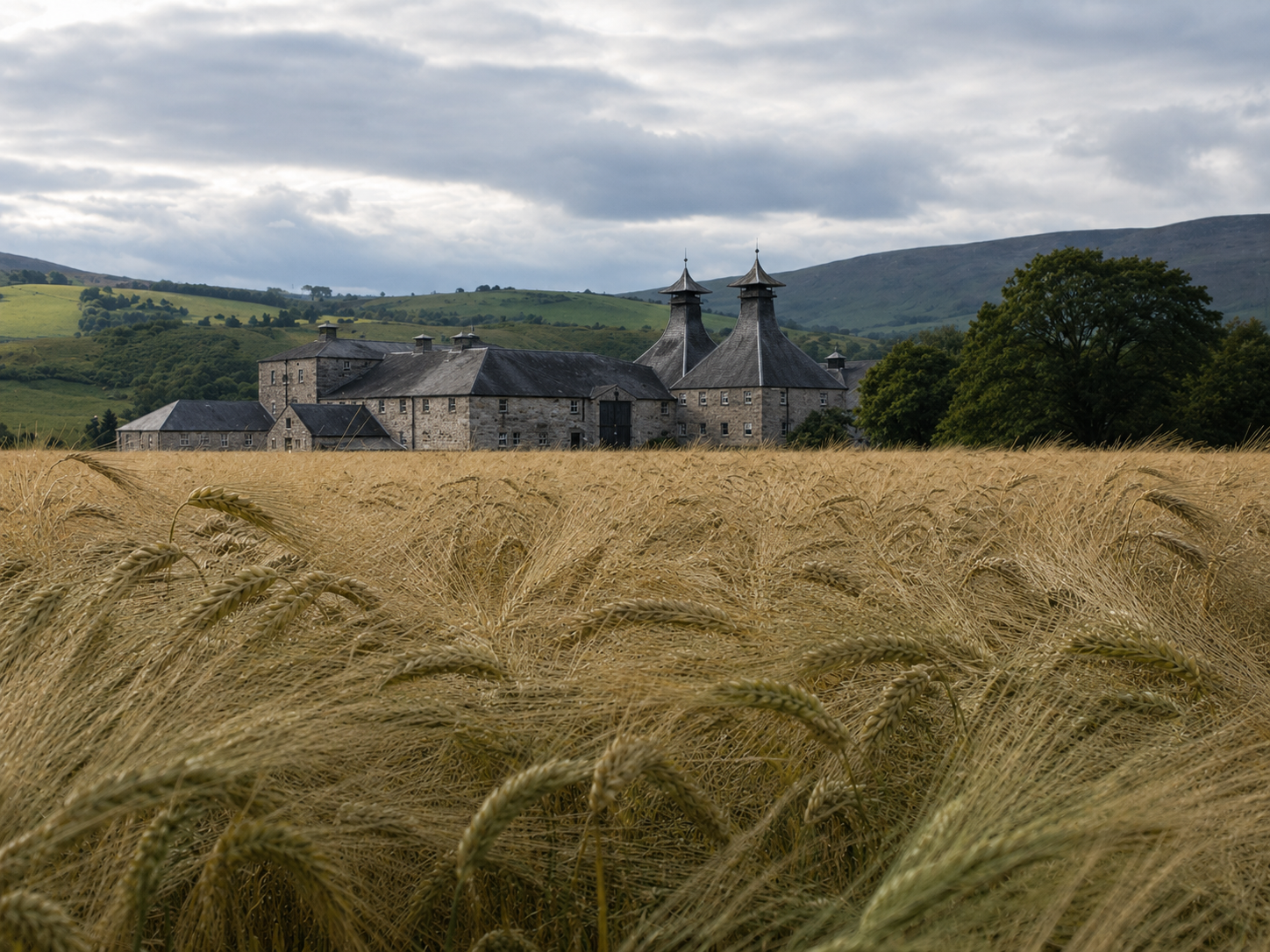
Read a Scotch label with a repeatable order
Trace the production choices that shape new make and mature whisky
Describe what you taste before you explain why
Guide contents
Ten short chapters. Start at the beginning or jump straight to the question you need on shift.
The law defines Scotch
Learn the legal floor every Scotch must meet before producer style begins.
What the law requires
The law sets the production floor. Scotch begins in Scotland with cereals, water and yeast, is distilled below 94.8% abv, and matures in Scotland for at least three years in oak casks no larger than 700 litres.
The matured whisky retains character derived from its raw materials, production and maturation. Bottled Scotch reaches the market at 40% abv or above.
The only permitted additions are water and plain caramel colouring. The legal framework fixes the category while leaving producers substantial room to shape style.
Read the category first
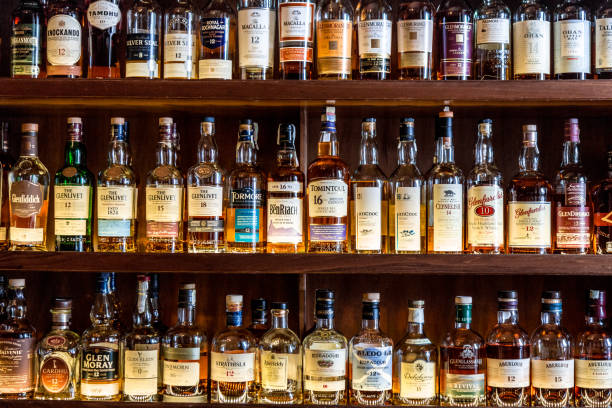
Use category, age, region, cask and bottling information in a consistent order.
| Legal category | What it means |
|---|---|
| Single Malt | Produced at one malt distillery from water and malted barley, using pot stills. |
| Single Grain | Produced at one grain distillery. Other whole grains may be used alongside malted barley, commonly wheat or maize; continuous distillation is common. |
| Blended Malt | A blend of two or more single malt Scotch whiskies from more than one distillery. |
| Blended Grain | A blend of two or more single grain Scotch whiskies from more than one distillery. |
| Blended Scotch | A blend of one or more single malt Scotch whiskies with one or more single grain Scotch whiskies. |
The stated age refers to the youngest whisky in the bottle.
No age is stated on the label. Every Scotch component is still at least three years old.
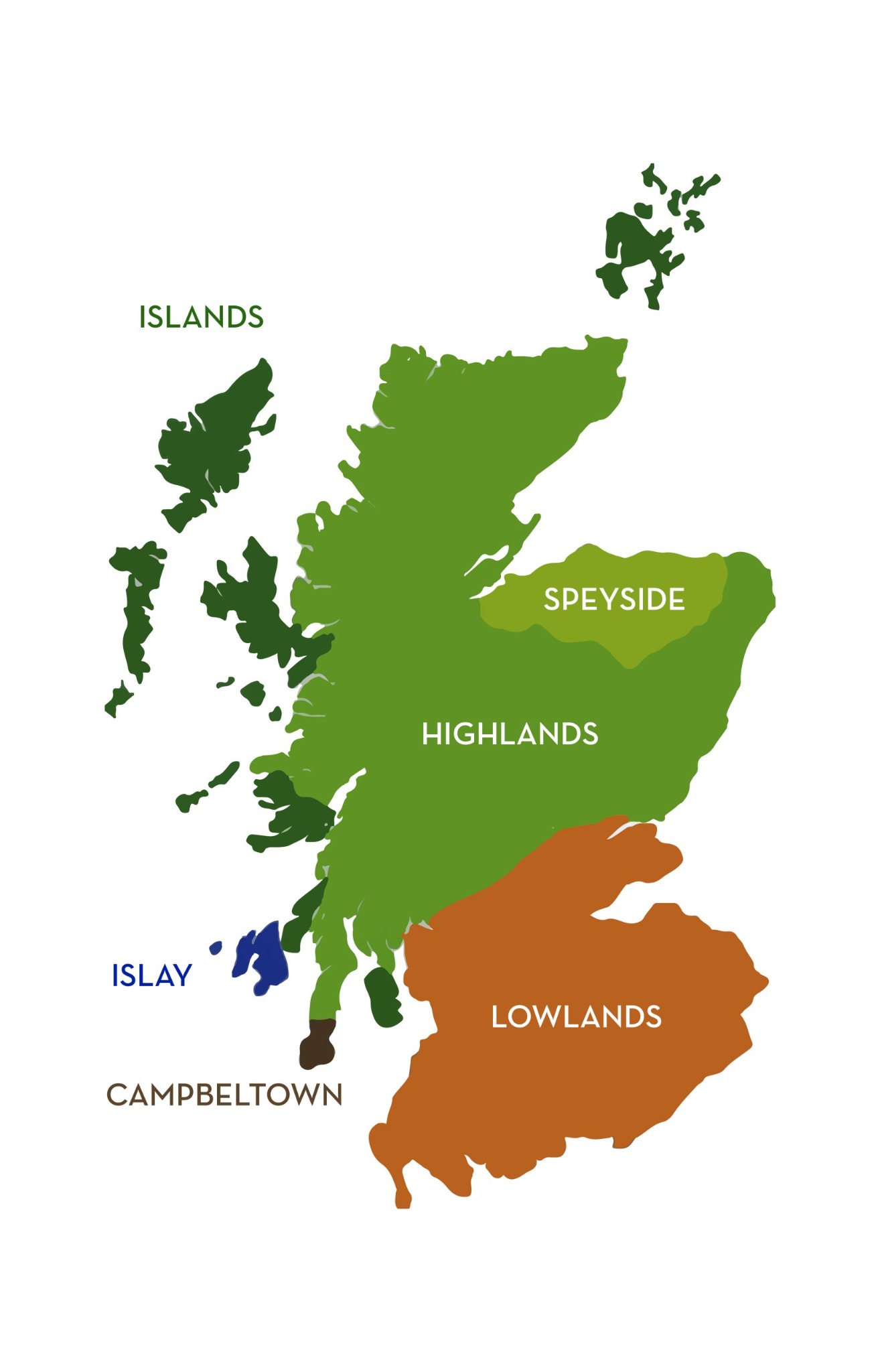
Region
Five recognised regions
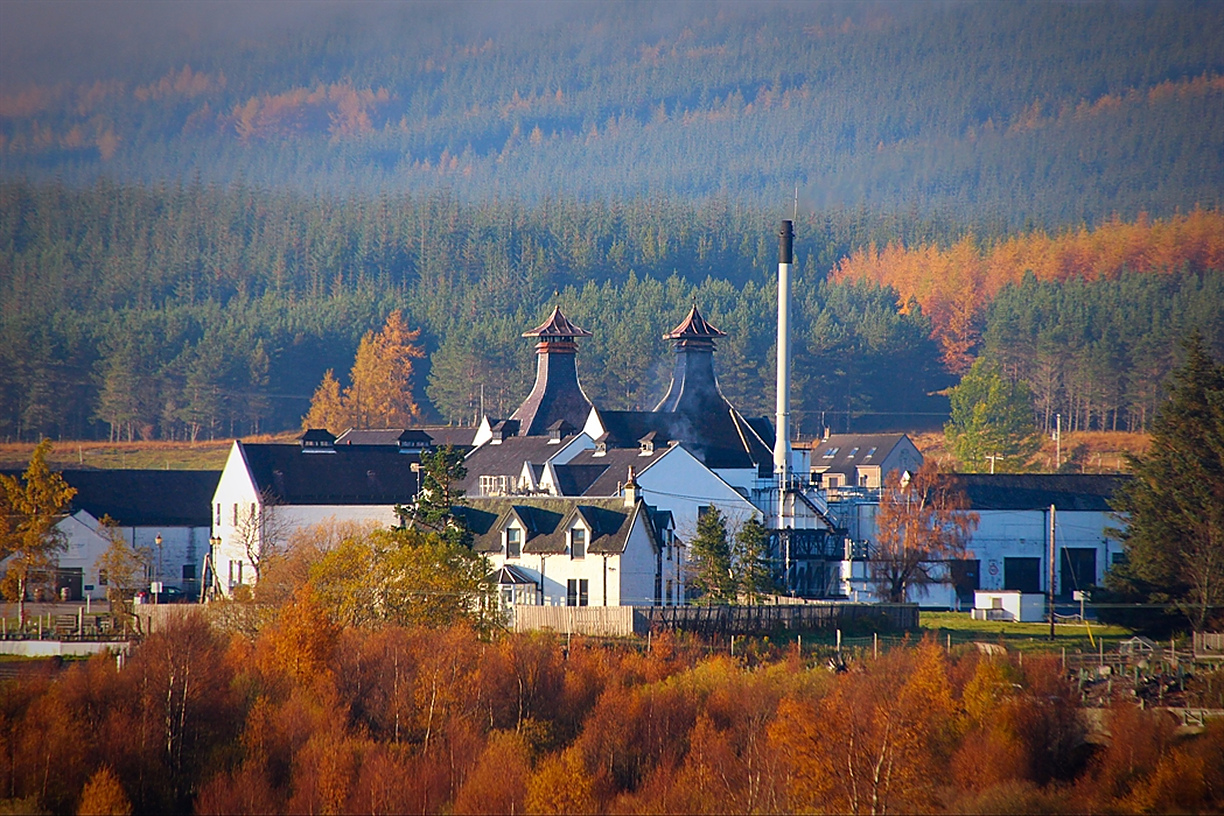
Regional names provide geographic context. Each region contains diverse production styles and flavour profiles. Scotch Whisky recognises five regions: Campbeltown, Highland, Islay, Lowland and Speyside.
Distillery directory
Explore Scotland’s operating distilleries
154 operating distilleries across Scotland · updated May 2026. Open only when you want to explore by region.
Open directory
Distillery directory
Explore Scotland’s operating distilleries
154 operating distilleries across Scotland · updated May 2026. Open only when you want to explore by region.
Current operating directory
Every operating Scotch distillery
154 operating distilleries · May 2026. Choose a region when you want the names. The directory stays secondary to the learning path.
Highland57 distilleries
Speyside50 distilleries
Lowland25 distilleries
Islay11 distilleries
Campbeltown3 distilleries
Grain8 distilleries
Check yourself
A bottle says “Single Malt Scotch Whisky, 12 Years Old.” What does the 12 tell you?
Think first. Say the answer in one sentence.
The age statement identifies the youngest whisky in the bottle. Every component used in that bottle is at least 12 years old.
The category sets the grain bill
Start Scotch-wide, then see where the malt and grain routes separate.
Scotch-wide foundation
Malt route
Single Malt
Malted barley is the complete cereal bill. Production occurs at one malt distillery and uses pot stills.
Grain route
Single Grain
Malted barley remains part of production, while other cereals such as wheat or maize may also be used. Continuous distillation is common.
Assembly
Blended categories
Mature Single Malt and/or Single Grain Scotch are combined according to the legal category named on the bottle.
What every route still needs
Water is essential through production, including steeping, mashing, cooling and dilution. Yeast converts fermentable sugars into alcohol and produces flavour-active compounds during fermentation.
Raw materials establish the starting point. The next chapters show where the production route makes those materials behave differently.
Malting activates the barley
Follow the malt route through steeping, germination and drying, including where peat can enter.
Malt route / germination
Germination starts with hydrated grain
Steeping raises the barley’s moisture so germination can begin. Enzyme systems develop during germination and prepare the grain’s starch for later conversion during mashing.
This is a route-specific lesson: malting is central to Malt Scotch production and supplies enzymatic malt used in Grain Scotch production.
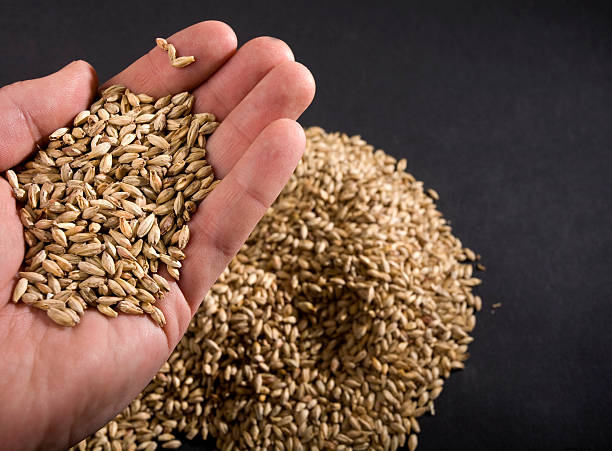
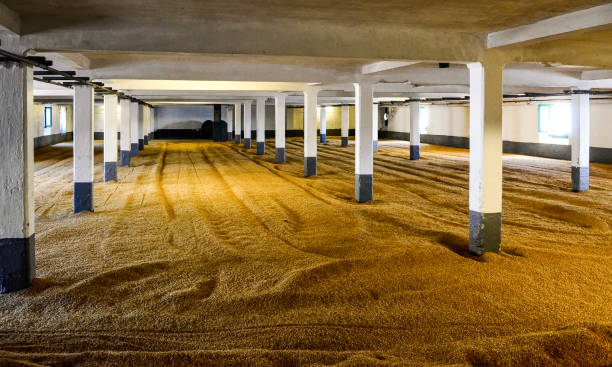
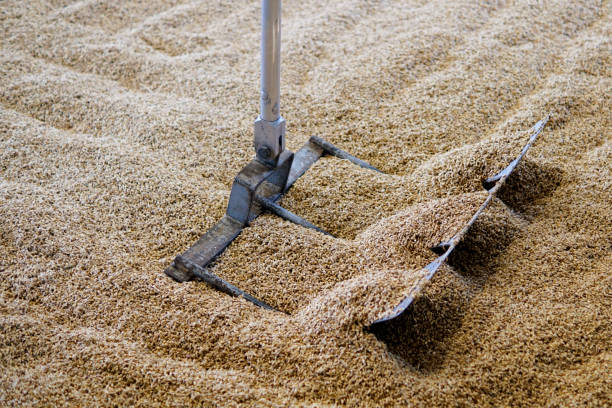
Barley absorbs water and begins the germination process.
Enzyme systems develop and begin preparing the starch for later conversion.
Drying stops germination and stabilises the malt for milling.
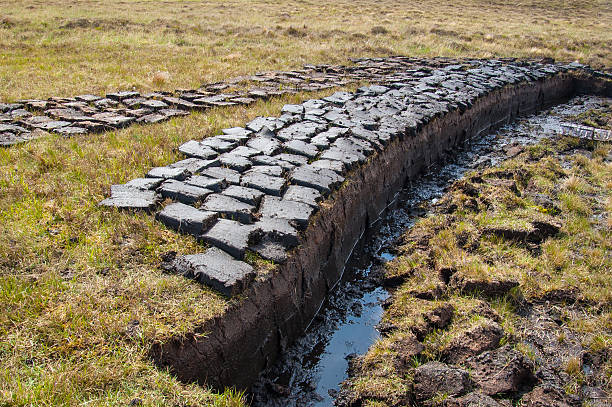
Peat may be burned during drying so phenolic smoke compounds are absorbed by the malt.
Peat has more than one expression
The character of peat smoke can vary with peat source, extraction depth, how it is burned and how the malt is handled. Burning peat produces a range of phenols, so the final profile may show smoke and ash alongside savoury, medicinal, antiseptic or earthy notes.
Phenols absorbed by the malt can survive mashing, fermentation and distillation and appear in the new make spirit. Peat composition varies by location, so smoke character can differ as well as intensity. Distillation and maturation then reshape how strongly those notes are perceived.
Peat is optional. Producers can dry malt without peat smoke, and many Scotch whiskies are made from unpeated malt.
Check yourself
At which production stage can peat smoke enter the whisky-making process?
Think first. Say the answer in one sentence.
During malt drying. Peat may be burned so phenolic smoke compounds are absorbed by the malt before milling and mashing.
PPM means parts per million and refers to the phenolic content associated with peat smoke. It is useful as a production reference, but the number alone does not tell you exactly how smoky the whisky will taste in the glass.
Mashing extracts fermentable sugars
See how the malt route creates wort, then where Grain Scotch can add a cereal-cooking stage.
Production / mashing
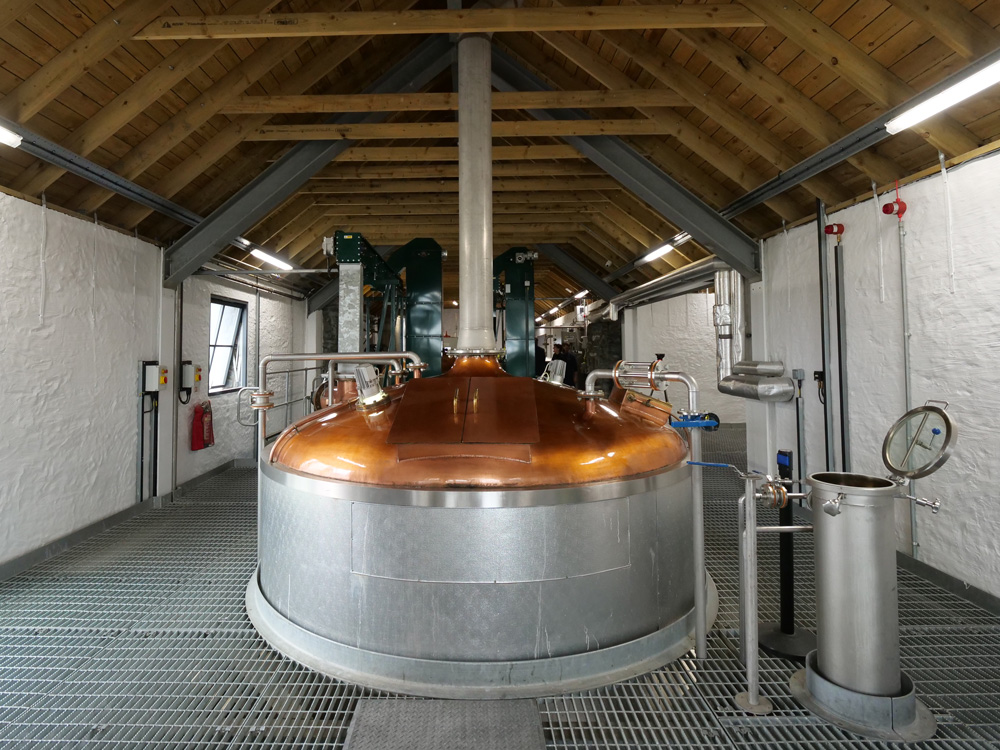
From grist to wort
In Malt Scotch production, malted barley is milled into grist and mixed with hot water so enzymes convert starch into fermentable sugars. The sugary liquid drawn from the grain bed is wort.
Grain Scotch may use unmalted cereals such as wheat or maize. Those cereals can require cooking to make their starch accessible before malted barley supplies the enzymes that complete conversion.
Wort clarity and extraction conditions shape the liquid that reaches fermentation and can influence the style of new make that follows.
Fermentation builds aroma
See how yeast, temperature, time and hygiene shape the aromatic base of new make.
More than alcohol
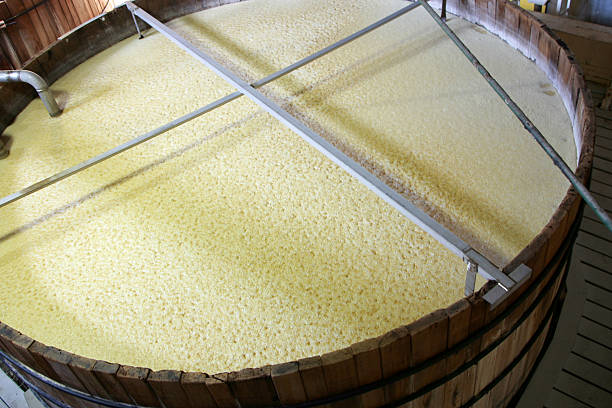
Yeast builds part of the whisky’s aromatic foundation while it produces alcohol. Fermentation generates esters, higher alcohols, acids and other congeners, and changes in yeast and fermentation conditions can alter the composition of the wash that reaches the stills.
Pitching rate, wort temperature, sugar concentration, fermentation time and washback hygiene can all change yeast behaviour and therefore new make character.
Faster yeast growth can reduce ester formation, while fermentation time and hygiene can also change the balance of fruity, cereal, oily or savoury character.
Some malt distilleries allow the wash to stand beyond the main alcoholic fermentation. During this additional time, bacteria can become active and add further complexity.
The amount of yeast added changes fermentation dynamics.
Wort temperature and fermentable sugar concentration affect yeast metabolism.
Both can materially influence wash composition and new make style.
Check yourself
Why does yeast matter beyond producing alcohol?
Think first. Say the answer in one sentence.
Yeast also creates flavour-active compounds including esters, higher alcohols and acids. Those compounds help form the aromatic base that reaches distillation.
Distillation selects character
Connect still design, copper, reflux, run speed and cut points to new-make character.
Malt route + Grain route
Malt and grain take different routes
Most single malt Scotch whisky is distilled twice in copper pot stills, although some producers use triple distillation. The first distillation produces low wines; the second spirit distillation allows the distiller to select the desired middle portion of the run.
Grain whisky is commonly made in continuous stills. This allows continuous operation and typically produces a lighter spirit, making grain whisky an important component of blended Scotch.
Cut points matter. Earlier or later transitions between foreshots, spirit and feints change which volatile compounds are collected in the new make.
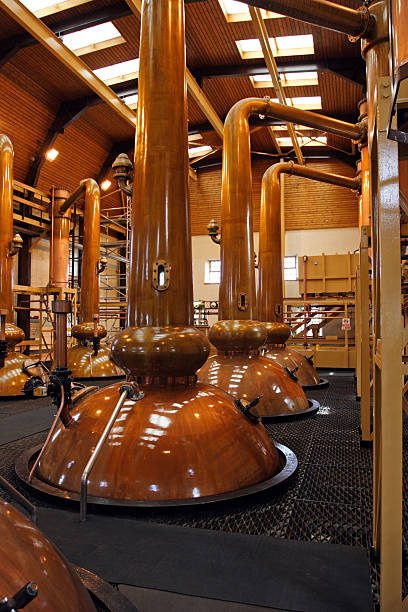
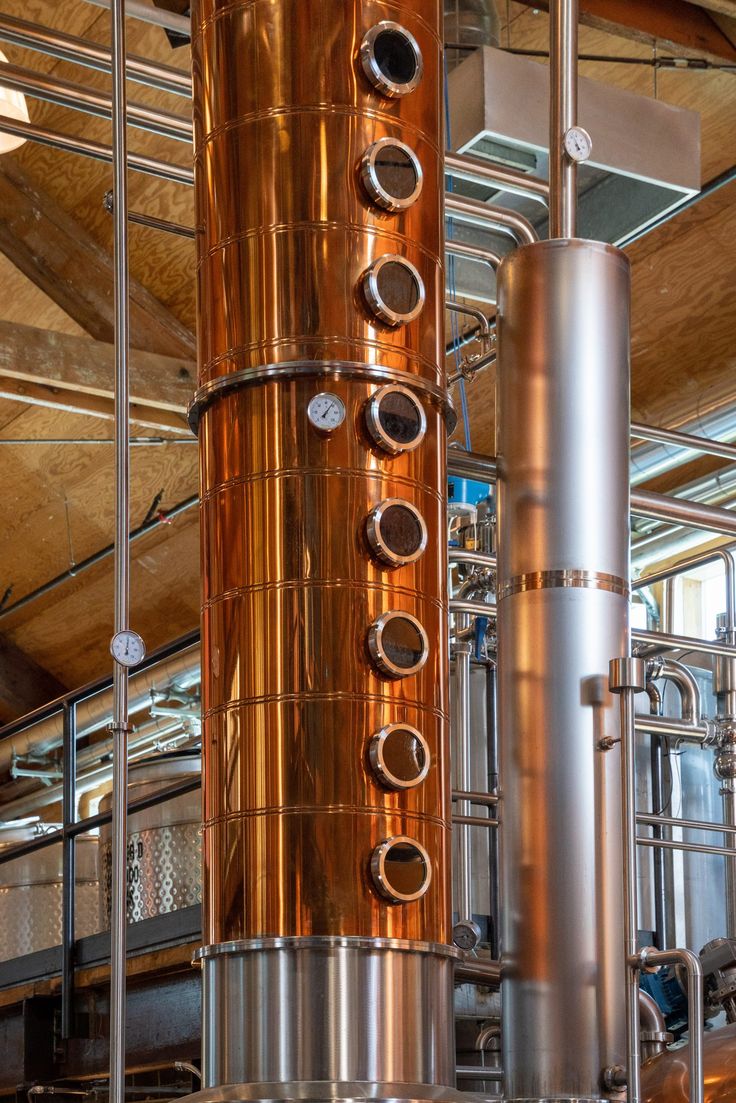
Faster distillation generally reduces reflux and can produce a heavier spirit. Slower operation increases reflux and tends to favour a lighter style.
Worm tubs can contribute a heavier, meatier style; shell-and-tube condensers are more common.
Phenols absorbed during malt drying can pass through distillation and remain part of new make character.
Casks transform the spirit
Start with the legal maturation floor, then follow the cask choices that shape what happens over time.
Legal floor
Oak · Scotland · minimum three years · maximum 700 LThese are category requirements. Every Scotch begins maturation inside this boundary.
Producer choice
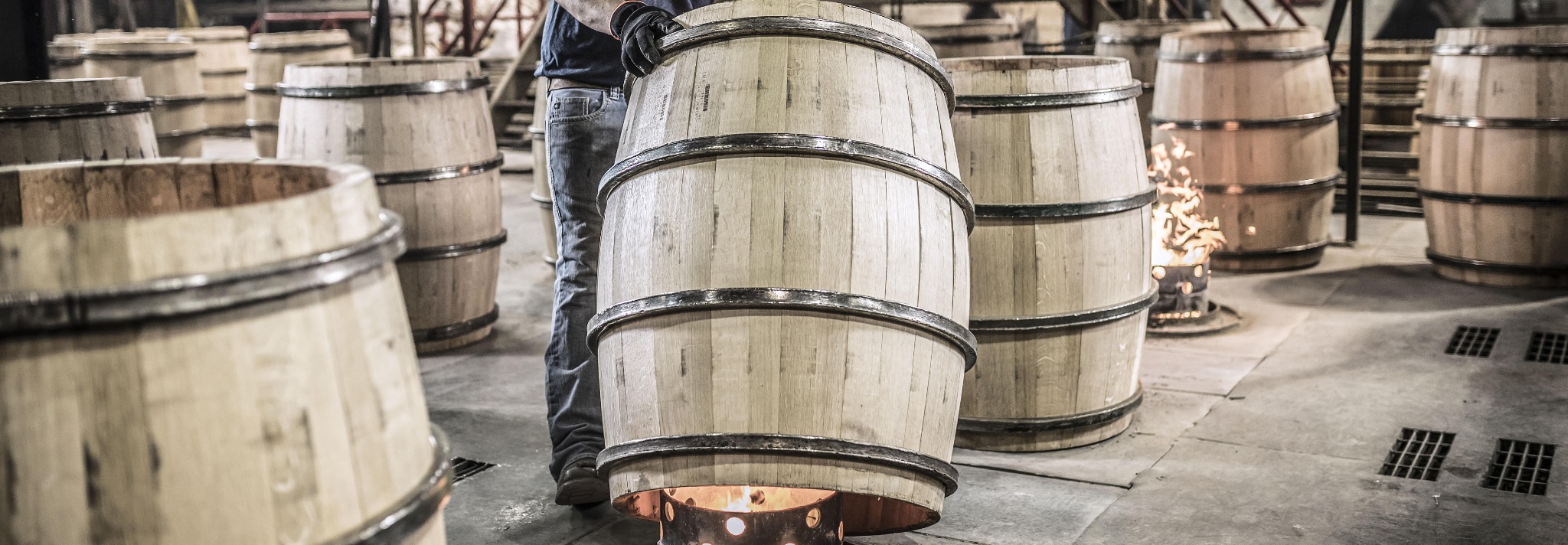
Previous contents · cask preparation · oak · fill · size · warehouse · timeThese choices shape extraction, subtraction and chemical transformation during maturation.
Production → glass / maturation
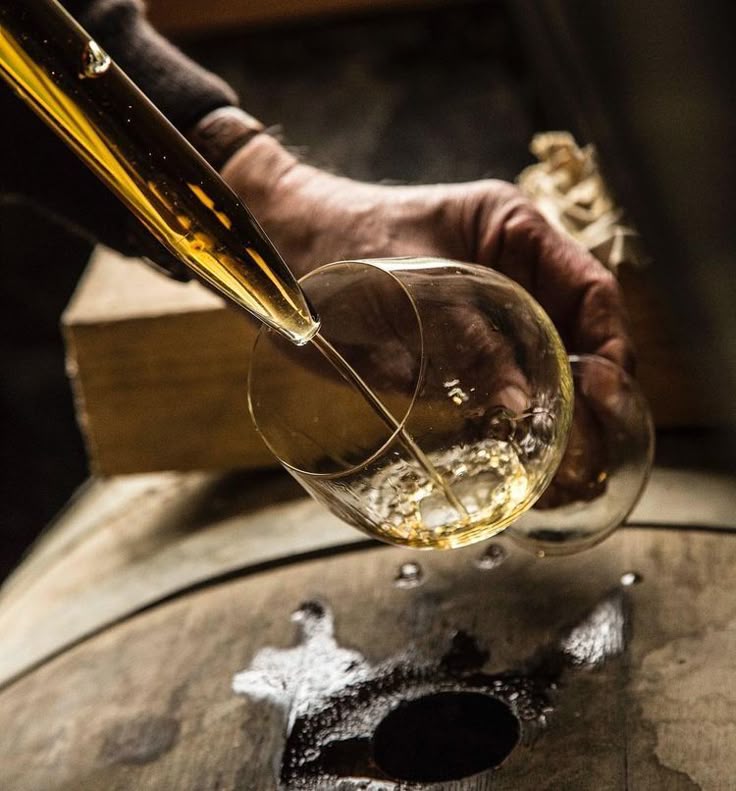
Maturation changes the spirit in three ways
Some compounds leave the spirit, others enter from the cask, and chemical reactions transform what remains. Cask history, oak, fill, time and warehouse conditions shape the balance between all three.
Angel’s share is the portion of spirit lost by evaporation through the cask during maturation. Volume gradually falls over time, so the cask holds less whisky even while flavour becomes more concentrated and complex.
Scotland is generally cool and relatively humid, so evaporation is usually gentler than in hotter climates. Those damp conditions can sometimes favour alcohol loss over water loss, which means cask strength may gradually decrease as maturation continues.
Warehouse style, cask size and local airflow still matter, so maturation never depends on climate alone.
Common and influential
American oak ex-bourbon casks commonly contribute vanilla, coconut, spice and dry wood character.
Previous contents matter
Sherry-seasoned casks can contribute dried fruit, nutty character, spice and richer sweetness.
Cask activity changes
First-fill casks generally show stronger cask influence; refill casks usually become gentler with repeated use.
A second cask stage
Mature whisky may spend additional time in another cask to add a final layer of flavour and colour.
Physical scale
Size changes the wood-to-spirit ratio
Smaller casks
More oak surface per litre can increase the rate of extraction.
Larger casks
Less oak surface per litre generally means slower extraction.
In practice
Size matters, but cask history, fill, oak and warehouse conditions shape how that extraction appears in the whisky.
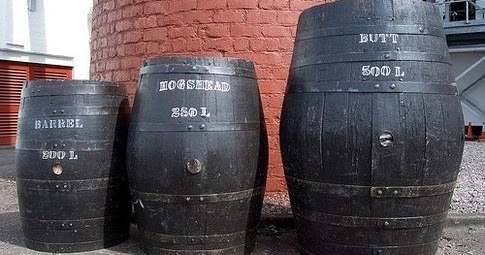
Cask format & scale
Common working formats encountered in Scotch maturation.
Typical working capacities. Cask names are trade conventions and sizes vary. Scotch must mature in oak casks with a maximum capacity of 700 litres.
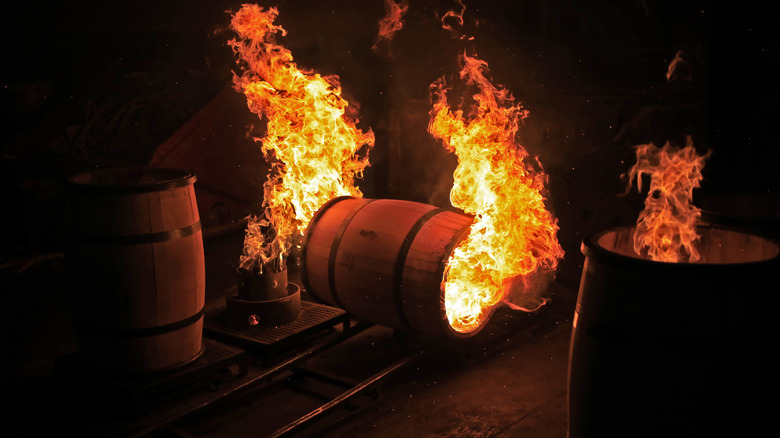
Cask history / ex-bourbon
Char can arrive with the cask
Ex-bourbon barrels arrive with a charred interior from their earlier U.S. use. The char layer can help adsorb and reduce some sulfur compounds and other immature congeners as the whisky matures.
Heat treatment also changes the oak itself, influencing the compounds available for extraction and contributing to vanilla, spice, toasted and other cask-derived character.
Cask history matters: char, toast, previous fill and repeated use all change how actively the cask interacts with the Scotch.
Check yourself
What does an age statement tell you? Which maturation details remain unknown?
Think first. Say the answer in one sentence.
It identifies the age of the youngest whisky in the bottle. Cask history, fill number, warehouse conditions and cask activity require separate evidence.
Assembly prepares the release
See how mature stock is selected, combined and prepared for bottling while the legal category stays clear.
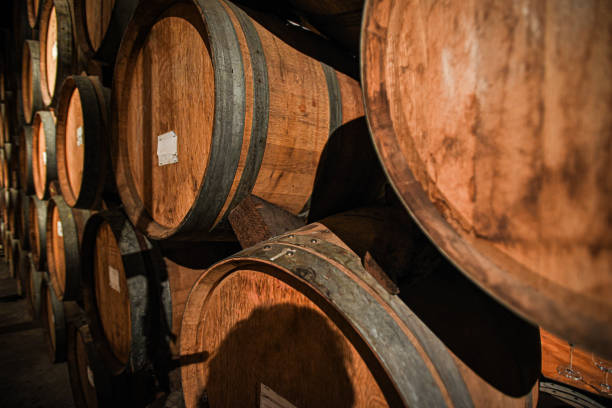
Assembly / final preparation
Mature stock is assembled to a target profile
Single Malt and Single Grain releases may combine casks from the same distillery. Blended Malt, Blended Grain and Blended Scotch combine mature whiskies according to the category named on the label.
After assembly, water may be added to reach the intended bottling strength while remaining at 40% abv or above. Chill filtration may be used to reduce haze, and plain caramel colouring may be used for colour adjustment within Scotch rules.
“Blended” is a legal category term on the label. Marrying also describes bringing casks together within a Single Malt or Single Grain release from one distillery.
Mature components are selected for aroma, flavour, texture, balance, consistency and the category being built.
Water may be used to reach the intended release strength while the whisky remains at 40% abv or above.
Used when a producer wants to reduce haze formation at low temperature or after dilution.
E150a is permitted for colour adjustment within Scotch whisky rules.
Taste from evidence
Build a repeatable tasting method: observe, name, narrow, connect and compare.
Use a common language
Start with broad groups such as cereal, fruit, floral, peat smoke, oak and maturity. Then become more specific: malt, apple, pear, vanilla, coconut, clove, ash, medicinal or dried fruit, according to what the whisky actually shows.
Record colour as an appearance observation. Age and quality require separate evidence because cask activity and permitted plain caramel colouring can both influence appearance.
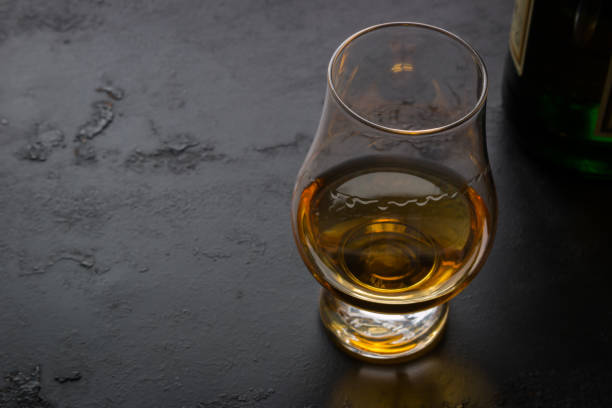
Five-step tasting method
Observe
Record what is present before explaining it: appearance, aroma, palate, texture and finish.Name
Start with broad families such as cereal, fruit, floral, smoke, oak and maturity.Narrow
Move toward precise descriptors such as pear, dried fruit, vanilla, clove, ash or medicinal smoke.Connect
Link descriptors to plausible production choices only when the evidence supports the connection.Compare
Choose another whisky or verified production fact that can test your interpretation.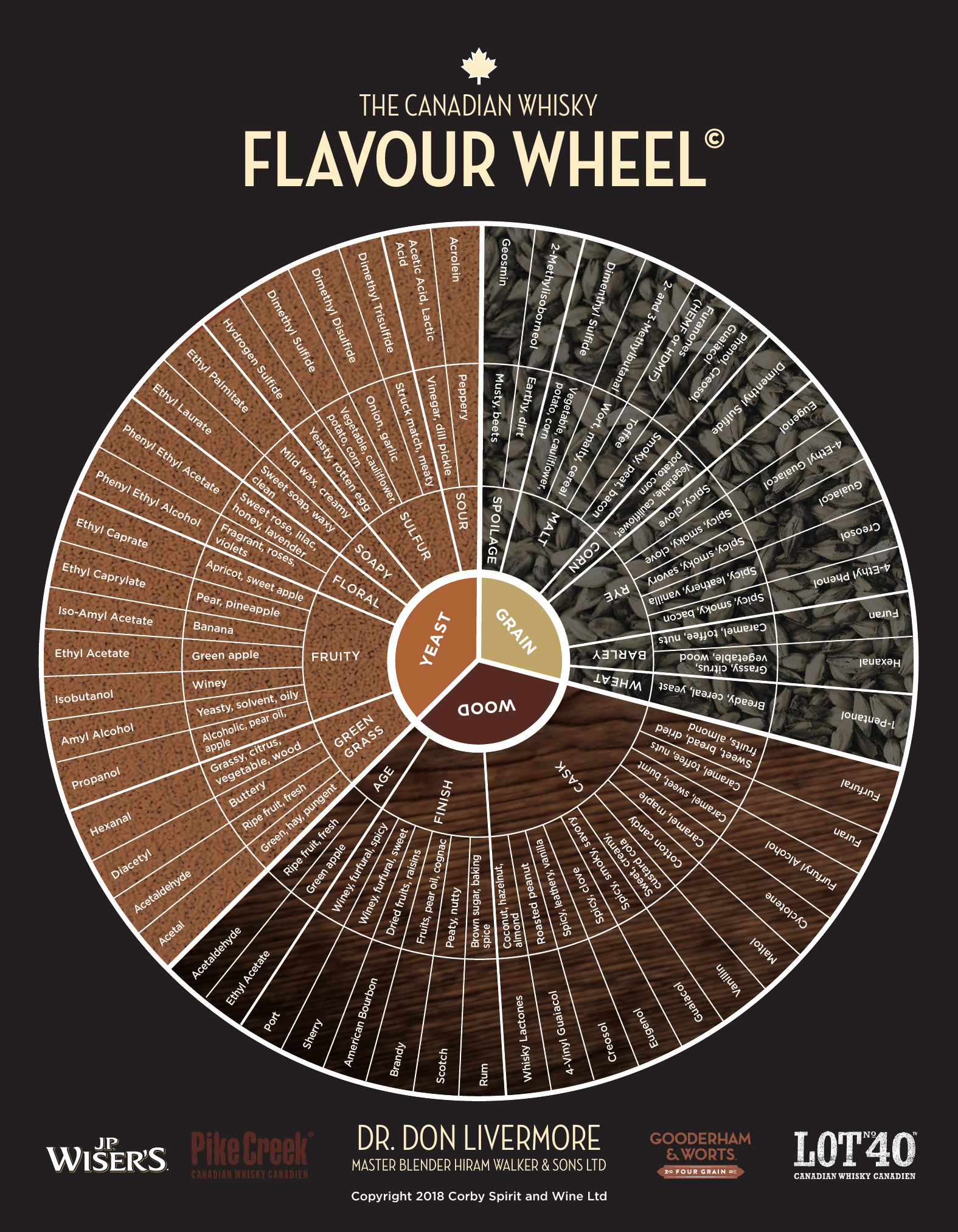
From broad families to precise descriptors
Dr Jim Swan's flavour wheel work helped formalise a shared whisky vocabulary, moving from broad aroma families toward more precise descriptors.
The Dr Don Livermore wheel included here is a useful additional whisky reference. It groups descriptors around grain, yeast, wood and spoilage, then links them to specific aroma terms and chemical context.
Open the flavour wheel · PDFColour chart
Use colour as an appearance note, not proof of age or quality.
Worth noting: cask type, previous fill, maturation time and permitted plain caramel colouring can all affect appearance.
How to read colour professionally
Describe the colour first, then keep it in proportion. Darker whisky may reflect active oak, a richer previous fill or caramel adjustment, but colour alone cannot confirm age, quality or flavour intensity.
Use the chart as a shared appearance reference. Then confirm the interpretation with the label, cask information and the aroma and palate in the glass.
Check yourself
When tasting professionally, what comes first: description or production explanation?
Think first. Say the answer in one sentence.
Description comes first. Record what you perceive, then connect those observations to production when the evidence supports the explanation.
Download
Simple guide carousel PDF
Use the short visual version as a quick teaching aid or recap. The full slide display is hidden here to keep the guide cleaner and more focused.
Behind-the-bar recap
Read the bottle
- Category first
- Age = youngest whisky in the bottle
- Region = geographic context
- Cask and bottling details add evidence
- Producer claims are prompts to verify
Behind-the-bar recap
Read the glass
- Observe before you explain
- Name a broad family
- Narrow to a precise descriptor
- Connect only with reasonable evidence
- Compare to test your interpretation
REFSources & Further Reading
Primary legal, technical and educational references behind this Scotch Whisky guide. Kept here so the learning path stays uninterrupted.
Law & category
Scotch Whisky Regulations 2009Primary law · legal definition and production requirements SWA guidance for producers and bottlersIndustry guidance · labelling and presentation Official Scotch Whisky categoriesIndustry · category terminology SWA Scotch Whisky regionsIndustry · geographic framework SWA Facts & FiguresIndustry · operating distillery count, May 2026 SWA 2026 distillery mapIndustry · current distillery orientationProduction
SWA cereals technical noteIndustry · cereal production context Bathgate · malt and wort processingResearch · malting, mashing and spirit character Saccharomyces cerevisiae in whisk(e)y productionResearch · yeast and fermentation Influence of yeast strain on new-make aromaResearch · fermentation and aroma Copper in malt whisky pot stillsResearch · copper contact and new-make compositionMaturation & bottling
Dr Jim Swan archive · American oakTechnical archive · maturation research Dr Jim Swan archive · sherry casksTechnical archive · cask history Dr Jim Swan archive · STR casksTechnical archive · shave, toast, re-char Dr Jim Swan archive · chill hazeTechnical archive · bottling behaviour Edinburgh Whisky AcademyEducation · Diploma in Single Malt WhiskyContinue learning