
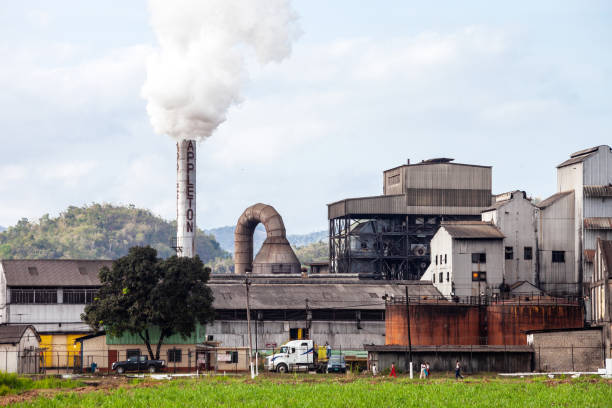
Start with the protected geographical identity
Before talking about funk, esters or pot stills, establish what legally qualifies as Jamaica Rum.
Jamaica Rum is a registered GI
Jamaica Rum was registered as GI/002 in 2016. The protected name links the spirit to Jamaica and to the production controls attached to that geographical indication.
A 2024 rectification clarified several points that matter directly to bartenders and educators: permitted fermentation agents, where ageing takes place, barrel size and what may be added after distillation.
The rectified GI defines key production controls
The rectified register addresses cultured or commercial Saccharomyces and Schizosaccharomyces species, naturally occurring yeasts, and locally grown bacterial and yeast cultures. It also states that ageing is carried out in Jamaica and limits approved food-grade wooden barrels to no more than 250 litres.
After distillation, the stated permitted additions are pure filtered water and cane sugar caramel for colour correction.
Use the GI for legal identity. Use producer material for producer-specific methods. Keep those two layers separate.
The GI permits several sugar-cane materials
The fermented wash for Jamaica Rum may use sugar-cane molasses, sugar-cane juice, crystallized cane sugar, sugar-cane syrup, or a mixture or combination of these materials.
These are permitted starting materials under the Jamaica Rum GI. The protected name alone does not identify which material was used in a particular rum.
Raw material establishes the sugar composition and fermentation medium. Fermentation organisms, acidity, time and temperature then influence the compounds that reach the still.
Use producer-specific information to identify the material used for a particular rum or expression.
Fermentation sets the direction
Jamaican rum can use very different fermentation strategies. That diversity is one reason a single flavour stereotype fails.
Appleton Estate
Uses a proprietary cultured yeast with molasses and spring water. This is a controlled producer-specific route inside the wider Jamaican framework.
Hampden Estate
Describes extended fermentation with native ambient yeasts. Its current distillery material gives a typical fermentation window of roughly 8 to 15 days.
Multiple permitted routes
The GI accommodates cultured yeast, natural yeast and locally grown bacterial or yeast cultures. The framework is broad by design.
Fermentation is already building style.
Yeast creates ethanol while a wider network of acids, higher alcohols, aldehydes and esters develops around the fermentation. Microbial population, acidity, nutrients, time and temperature all influence what reaches the still.
The GI allows several fermentation routes. It does not promise that every distillery uses the same organisms or duration.
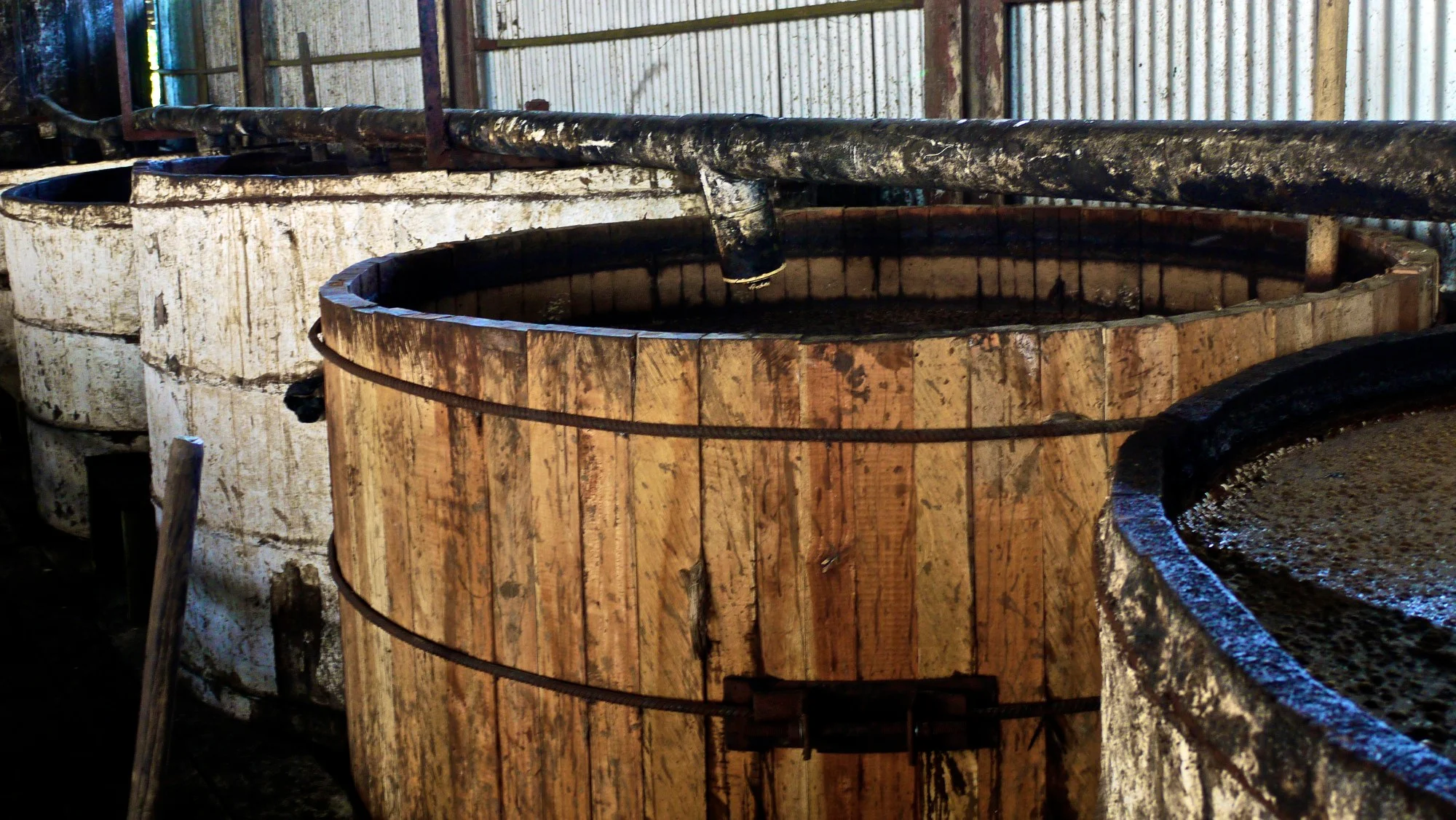
Some Jamaican producers deliberately use long, complex fermentation to build acids and other aroma precursors. Hampden Estate identifies extended wild fermentation as a key part of its high-ester aromatic style. Distillation then shapes which volatile compounds carry into the spirit.
“Jamaican Rum” does not tell you whether fermentation used cultured yeast or natural yeast. The producer's verified method tells you which route was actually used.
Different still systems create different components
Double-retort pot stills are central to important Jamaican traditions, while Jamaican rum also includes column-distilled components.
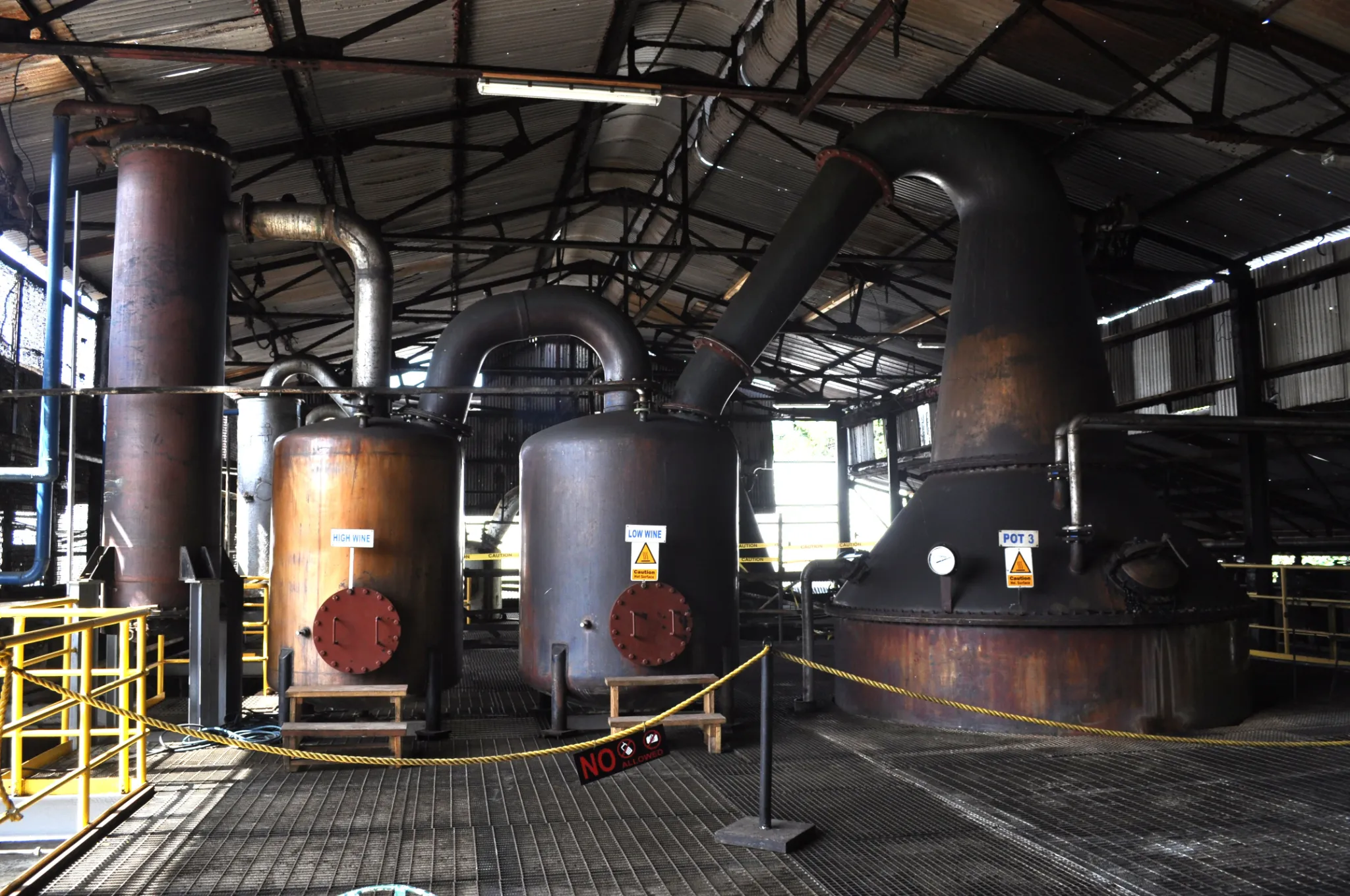
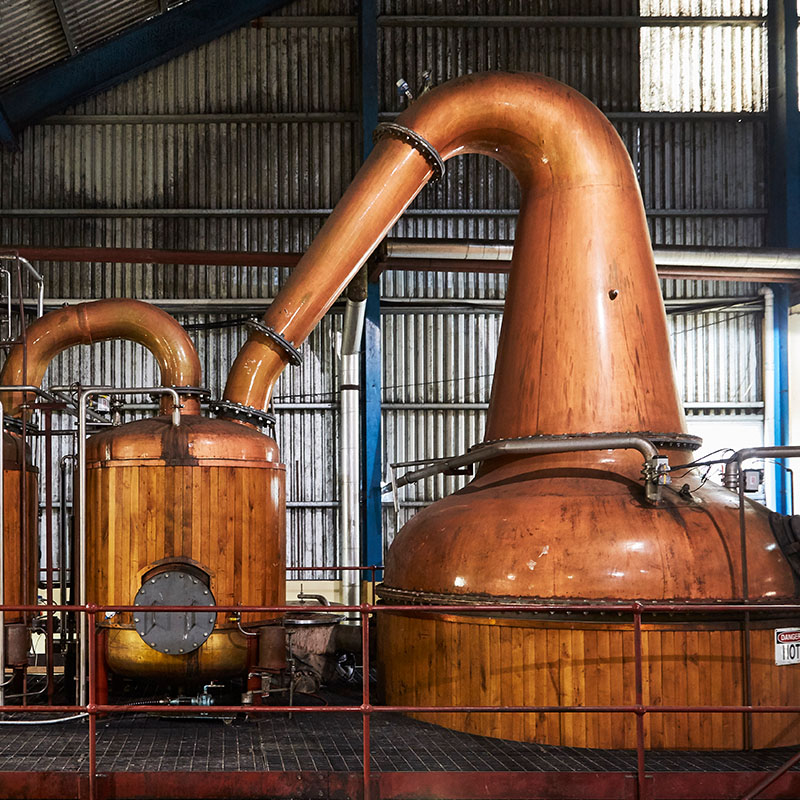
Hampden Estate
Hampden describes 100% copper double-retort pot-still distillation as one of its production pillars.
Appleton Estate
Appleton describes both traditional copper pot-still and modern column-still distillates within its production and blending system.
“Jamaican rum” does not automatically mean “100% pot still.” Still type is evidence. Fermentation, still operation, cuts and the intended marque complete the explanation.
Marques organise distillate style
A marque gives a distillery a repeatable way to identify a particular spirit specification before that spirit becomes a finished bottle.
Organised component families
Appleton describes marques as individual pot- and column-still rums created during distillation, with their own aroma and flavour profiles.
Published mark system
Different raw-material and fermentation formulas, fermentation times and distillation techniques are used to produce distinct marks.
Specification before bottle
The important lesson is organisational. A distillery can create more than one new-make style and use those components differently in later blending or bottling.
What does “high ester” actually mean?
Esters are aroma-active compounds formed during fermentation and other stages of production through reactions involving acids and alcohols. In rum, they can contribute strongly to fruity and tropical aromas. High-ester styles deliberately push this aromatic character further.
How ester content is expressed
A useful parallel to whisky ppm. Whisky drinkers often discuss peat-derived phenolic levels in parts per million (ppm) as a technical reference for smoky style. In rum, ester concentration can be expressed in grams per hectolitre of pure alcohol (g/hL PA).
For rum enthusiasts, that figure can be a useful indicator when a producer publishes it for a specific mark or release. It measures ester concentration; it does not by itself describe quality or the complete sensory profile.
Fruit can become intense
High-ester rum can show ripe banana, pineapple, overripe tropical fruit and fermented-fruit character. Very intense examples may also show pungent or solvent-like aromas alongside the fruit.
Different marks, different styles
Hampden Estate uses traditional marks to identify different new-make rum styles. The marks are created through different combinations of raw materials, fermentation time and method, and distillation technique. Some are comparatively lighter; others are deliberately much more aromatic.
High ester is not the category
High-ester rum is an important Jamaican production tradition, but it does not define every Jamaican rum. Ester intensity is one part of spirit character, alongside fermentation, still operation, maturation and blending.
Worth noting: High ester describes a production and aromatic characteristic. It is not a quality grade, and a higher ester level does not automatically mean a better rum.
A marque is not trivia. It is a producer's way of naming a defined distillate style before the finished release is assembled.
Jamaica stays part of maturation
For Jamaica Rum GI ageing, place and vessel remain part of the protected production story.
What the rectified GI says
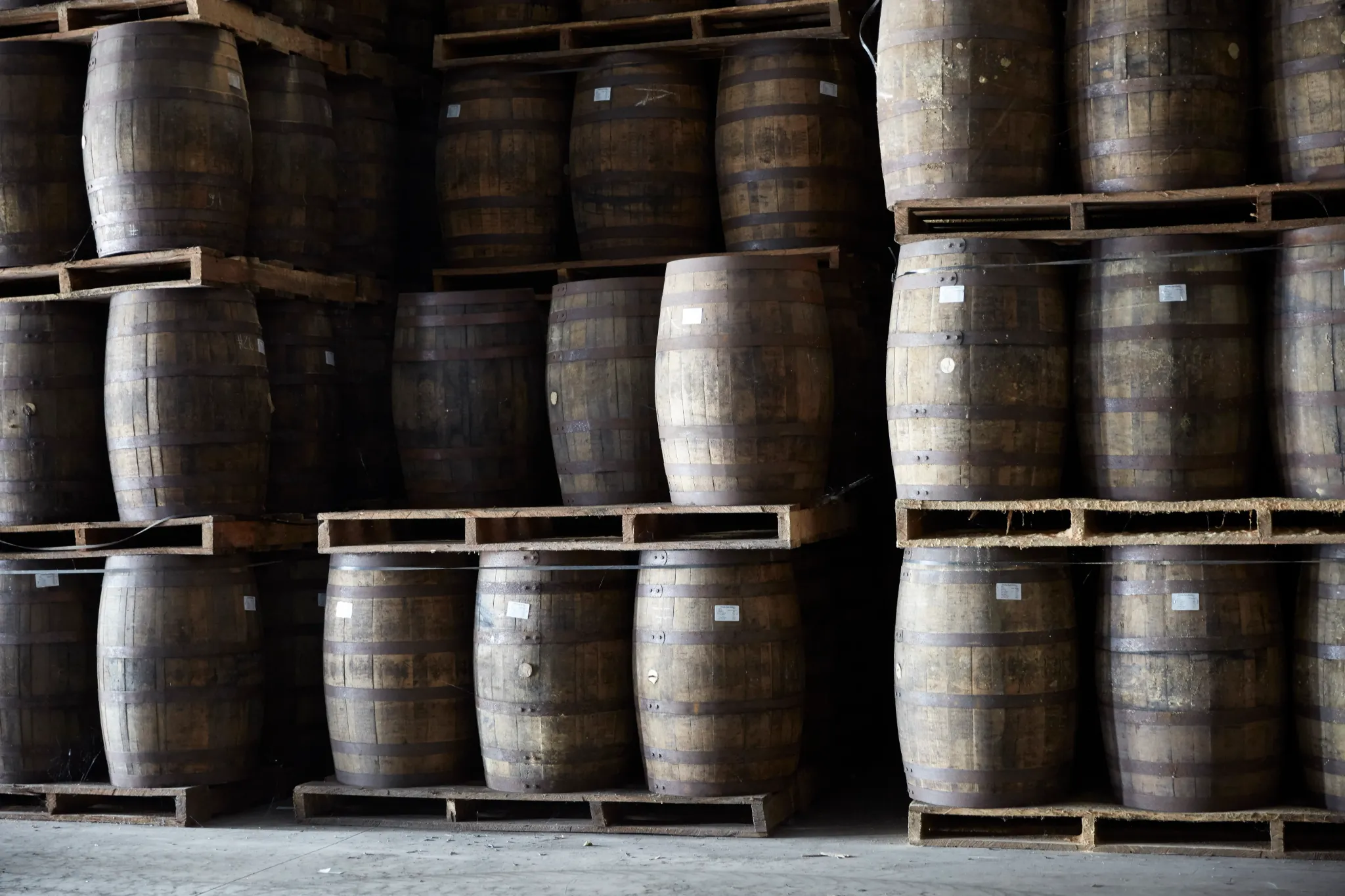
Ageing is carried out in Jamaica in approved food-grade wooden barrels no larger than 250 litres. After distillation, the permitted additions stated in the rectified register are pure filtered water and cane sugar caramel for colour correction.
Producer practice then adds detail. Appleton Estate describes American white-oak bourbon barrels. Worthy Park describes ex-bourbon maturation for several releases.
Keep tropical ageing statements disciplined
Tropical maturation changes the pace of evaporation, extraction and reaction, but there is no reliable formula that converts one Jamaican year into a fixed number of years in a cooler climate.
Place remains active. Cask history, entry strength, warehouse position, temperature, humidity and time all affect maturation.
Older tells you time. To explain maturation well, add where it happened, the cask information you can verify and the producer's intended style.
Blending assembles the intended profile
Marques become useful when producers can select, combine and balance different components for a release.
Think of a distillery as a library of components.
Appleton Estate describes expert blending and barrel selection as the final assembly of its rums. Its production includes both pot- and column-still marques, so the blender can work with components that were created differently before maturation and selection.
Hampden also demonstrates that different marques and vintages can be combined in specific releases. The final rum expresses a deliberate composition of the components the producer chooses to use.
Pot marque
One defined distillate component.
Column marque
Another defined component where used.
Maturation lot
Cask, age and warehouse history remain part of the final assembly.
If a guest asks why a blended Jamaican rum can still have a strong house identity, explain that the blend is built from controlled components rather than random leftovers.
The label separates legal identity from producer detail
Separate protected language, producer terminology and specialist production detail.
| Start here | Question | Why it matters |
|---|---|---|
| Protected origin | Does the bottle claim Jamaica Rum / the GI? | Legal identity comes first. |
| Producer | Which distillery or brand is actually responsible for the liquid? | The producer gives the verified production evidence. |
| Age / NAS | Is an age stated? | Use the stated rule or producer note rather than assuming. |
| Production detail | Are still, fermentation or marque details genuinely disclosed? | Specialist terms only count when they are actually supported. |
| Maturation / strength | What cask, location, finish and ABV information is present? | These details complete the release explanation. |
Age needs a source
Appleton Estate states that the age statement on its bottles refers to the youngest rum in the blend. Use that confidently for Appleton. For another producer, verify the rule or producer statement before transferring the claim.
Marque needs context
A specialist bottle may disclose HLCF, LROK or another marque. That can tell you far more about production intent than a generic colour word or unverified style nickname.
Origin, one verified production fact, age or maturation if stated, and the flavour consequence you actually observe.
Taste from evidence
Describe first. Interpret second. Jamaican production knowledge becomes useful when it improves the explanation of what is actually in the glass.
Name what is present
Fruit, floral, vegetal, spice, solvent-like notes, oak, sweetness perception, texture, alcohol and finish.
Make it precise
Move from “fruity” to the actual descriptor you perceive. Keep intensity and texture separate from aroma vocabulary.
Use verified production
Fermentation, still route, marque, maturation and blend are hypotheses until producer evidence supports the connection.
Do not reverse-engineer too aggressively
One aroma does not reveal an entire production history. Multiple variables operate together.
Keep the professional order
Observe → name → compare → connect only what the evidence supports.
Explain clearly
Say what you taste clearly, then use one production fact that genuinely helps explain it.
If a Jamaican rum smells intensely fruity, describe the sensory evidence first, then check verified production information. Fermentation may be relevant, but still operation, marque, maturation and blending can also contribute.
REFSources & Further Reading
Primary legal and producer references first. Additional technical and educational reading second.